
29 September 2026 | Karuzika Palace, Tooro Kingdom, Uganda
A Day Written in the History of Uganda’s Traditional Monarchies
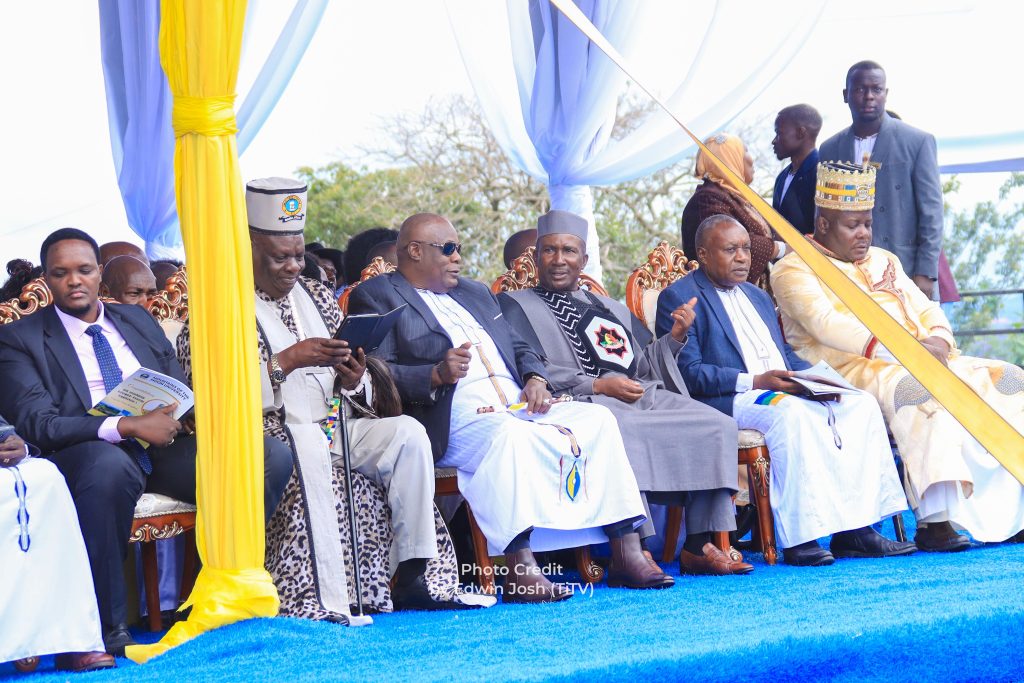
On 29 September 2026, Karuzika Palace in Tooro Kingdom became the centre of an important chapter in Uganda’s cultural and royal history as Tooro welcomed a new chapter of kingship following the passing of Omukama Oyo Nyimba Kabamba Iguru Rukidi IV.
The occasion, marked by the installation of the new Omukama, Edward Rukidi Kijanangoma, known as Nyabongo I, brought together distinguished guests, government representatives, cultural leaders and other dignitaries. Among those present was the President of the Republic of Uganda, His Excellency Yoweri Kaguta Museveni.
Yet beyond the ceremony, the occasion carried a deeper message about the enduring importance of cultural institutions, the respect owed to traditional leadership, and the relationships that unite Uganda’s kingdoms.
One of the notable highlights was the presence of His Royal Majesty the Kamuswaga of Kooki, whose attendance represented a meaningful gesture of respect, solidarity and cultural fellowship with Tooro Kingdom during a defining moment in its history.
The Kamuswaga’s Presence: A Mark of Respect Beyond Words
The presence of the Kamuswaga at Karuzika Palace was more than attendance at a royal function. It demonstrated the value of standing with a fellow monarchy during a moment of transition, remembering a departed king and recognising the responsibilities that accompany the continuation of traditional leadership.
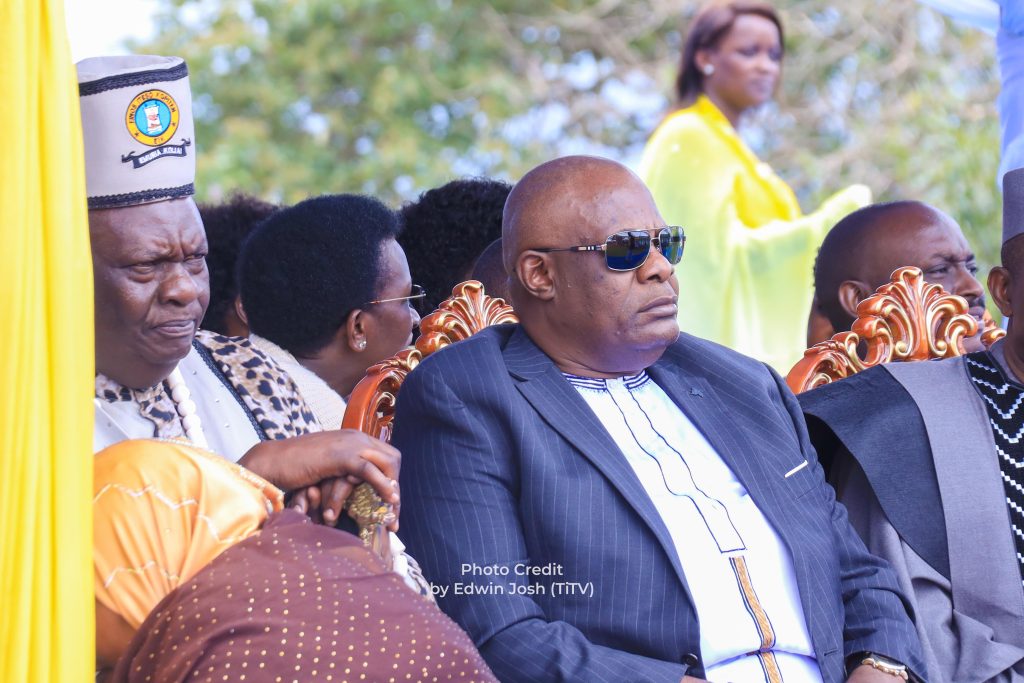
By joining the people of Tooro at this historic occasion, the Kamuswaga honoured the memory of the late Omukama Oyo Nyimba Kabamba Iguru Rukidi IV while extending respect to the newly installed Omukama, Nyabongo I.
Such gestures carry significance in the world of traditional leadership. They communicate that the dignity of a kingdom is not upheld by its own people alone, but can also be strengthened by the respect, recognition and goodwill of fellow cultural institutions.
For Kooki Kingdom, this was an opportunity to demonstrate that meaningful relationships between monarchies remain important foundations for unity, mutual understanding and the preservation of Uganda’s cultural heritage.
A Presidential Message for Every Kingdom and Cultural Community
Beyond the formalities of the coronation, President Museveni used the occasion to highlight the important contribution cultural institutions can make to society.
He identified three key areas in which traditional institutions can support national development: indigenous languages, culture and indigenous knowledge and science.
On language, the President raised concern about the declining use of indigenous languages among children and young people, emphasising the importance of preserving the expressions, meanings and knowledge that are carried within local languages. He cited his own work on a Runyankore dictionary as an example of the effort required to preserve linguistic heritage.
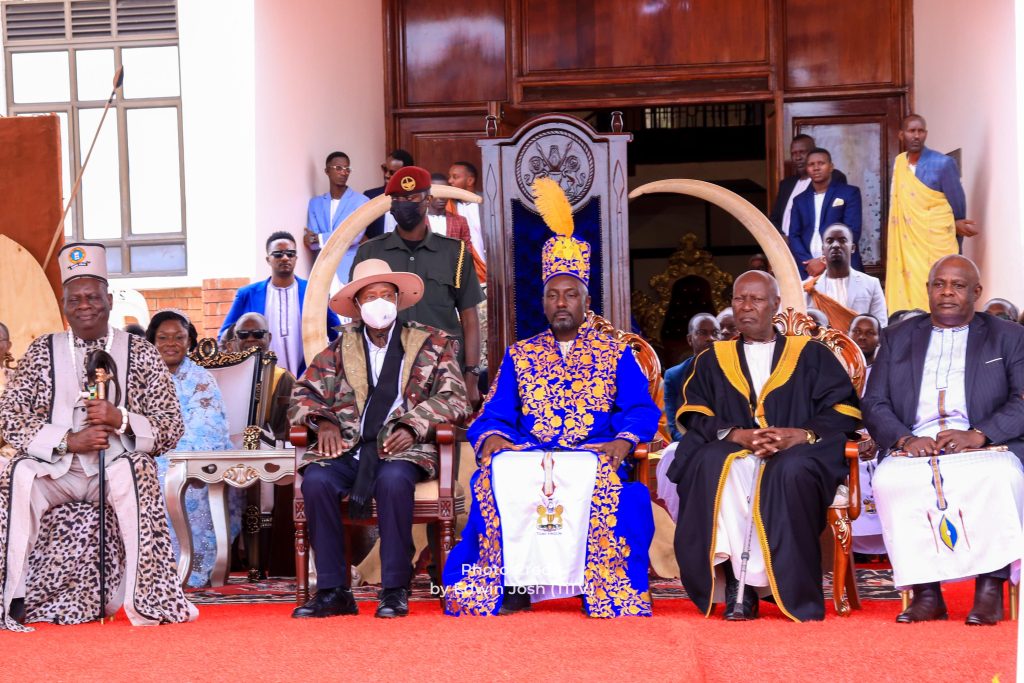
On culture, he reflected on the knowledge embedded in traditional social practices, family relationships, responsibility and community life. His remarks encouraged cultural institutions to continue documenting and teaching the values and practices that define their communities.
On indigenous knowledge and science, he argued for greater recognition of traditional knowledge rather than automatically dismissing it because it comes from indigenous systems. He cited the preservation of Ankole long-horned cattle as an example of the importance of protecting indigenous heritage.
The President also encouraged a distinction between the cultural responsibilities of hereditary leaders and the political responsibilities of elected government, while affirming a role for cultural institutions in preserving heritage and contributing to society.
His message was relevant not only to Tooro, but also to Kooki and Uganda’s other traditional institutions: cultural preservation requires deliberate investment, active teaching and cooperation across generations.
The Significance for Kooki Kingdom and the Kamuswaga
For the Kamuswaga of Kooki, who attended the ceremony alongside other distinguished guests and cultural leaders, the President’s message reinforced the importance of preserving the history, language, customs and indigenous knowledge of every kingdom.
The occasion offered a meeting point between national leadership and traditional leadership, reminding the country that cultural heritage is a responsibility shared by institutions, families, communities and government.
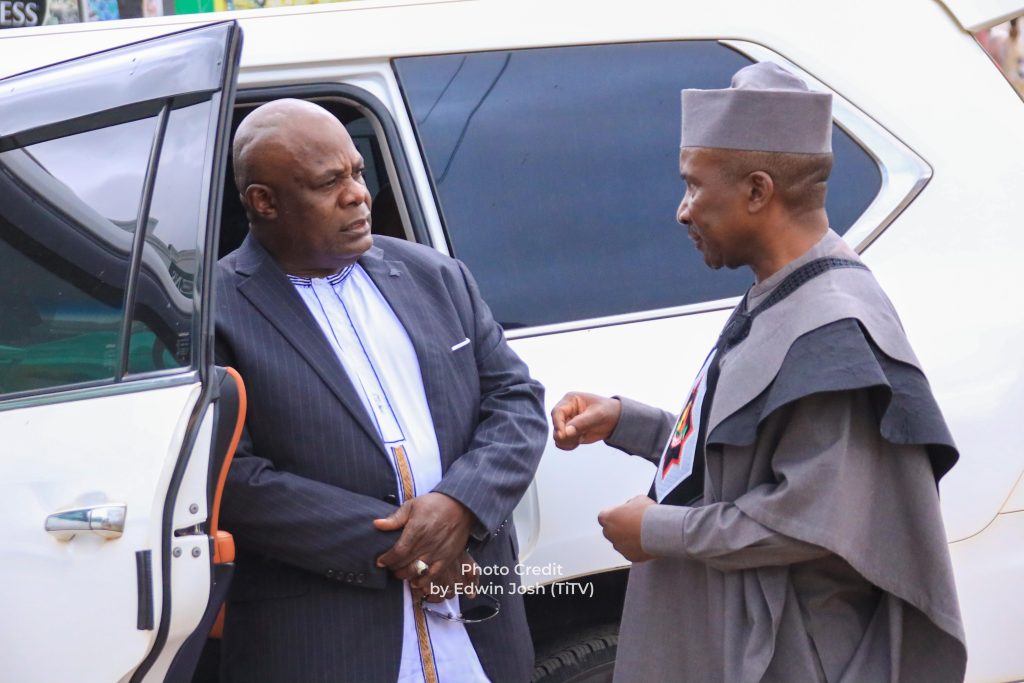
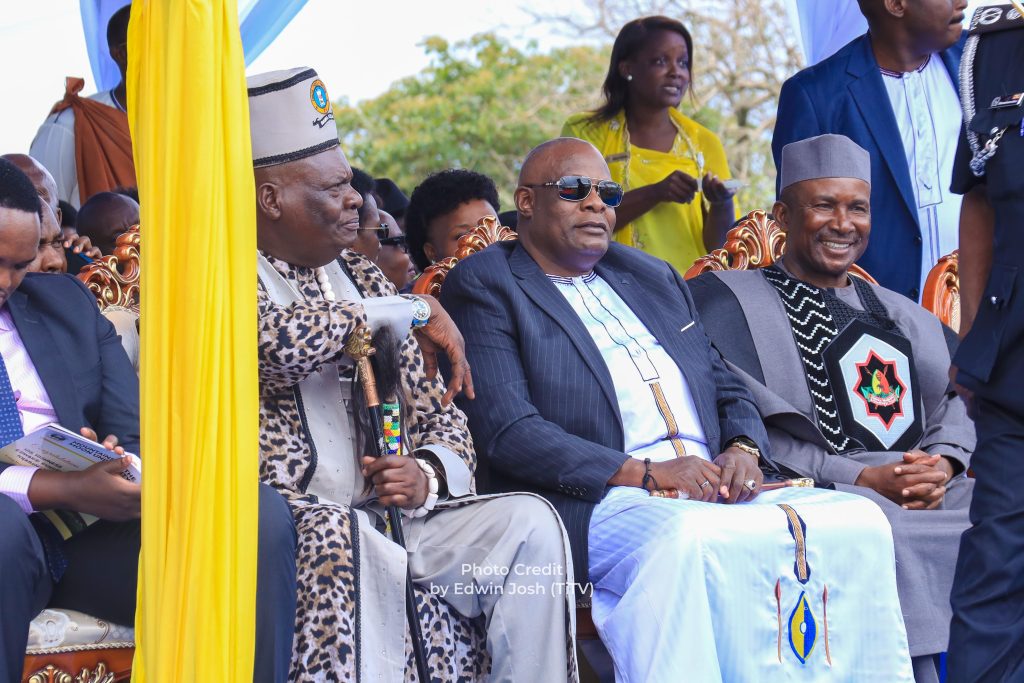
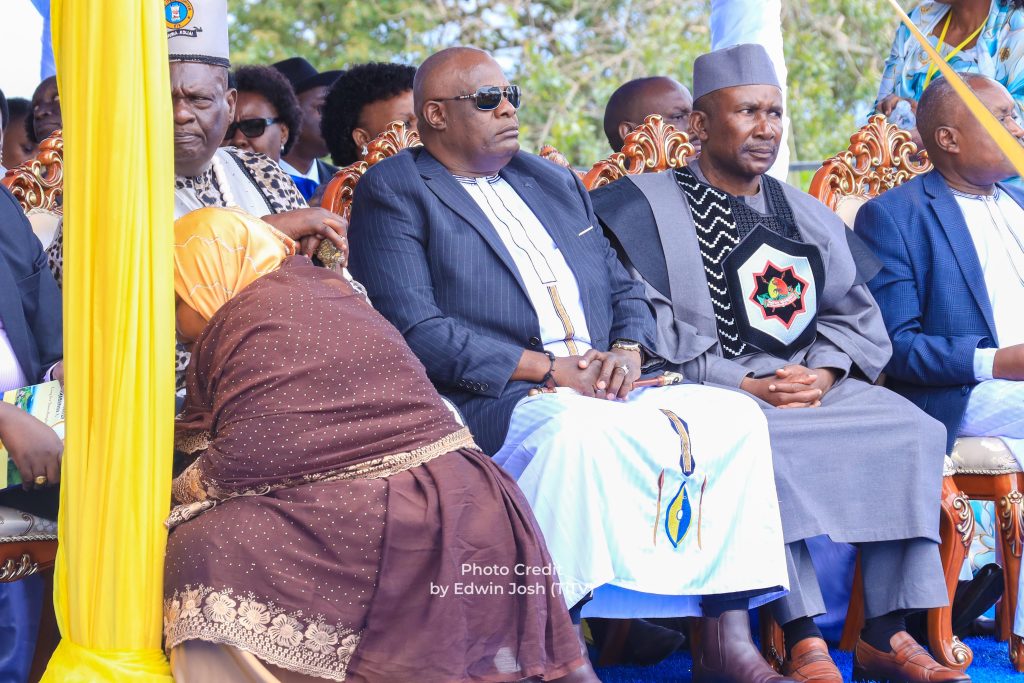
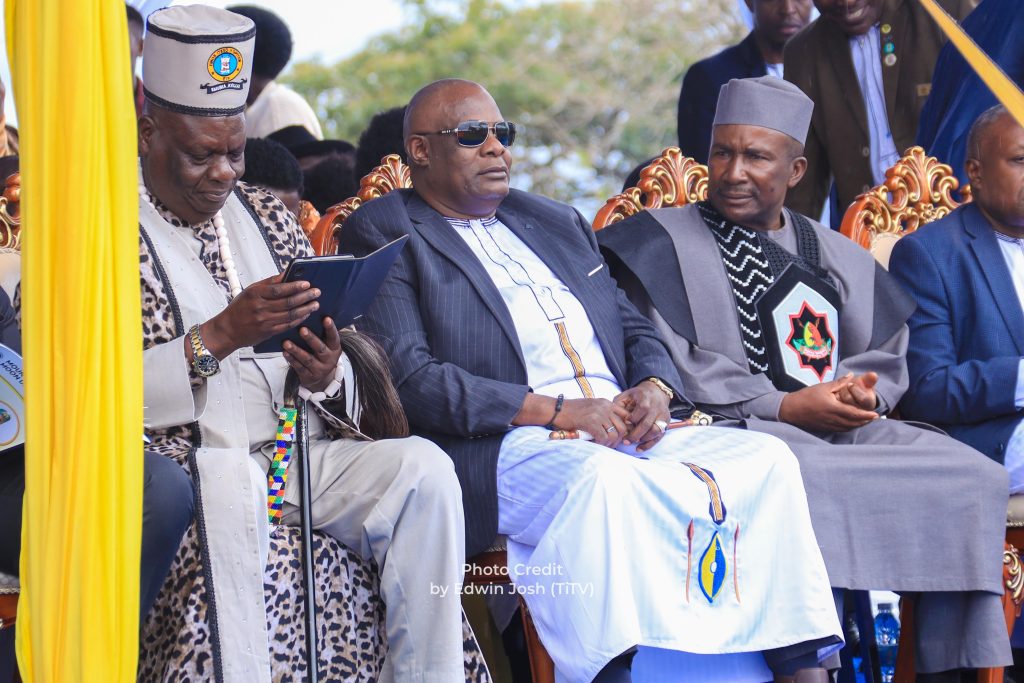
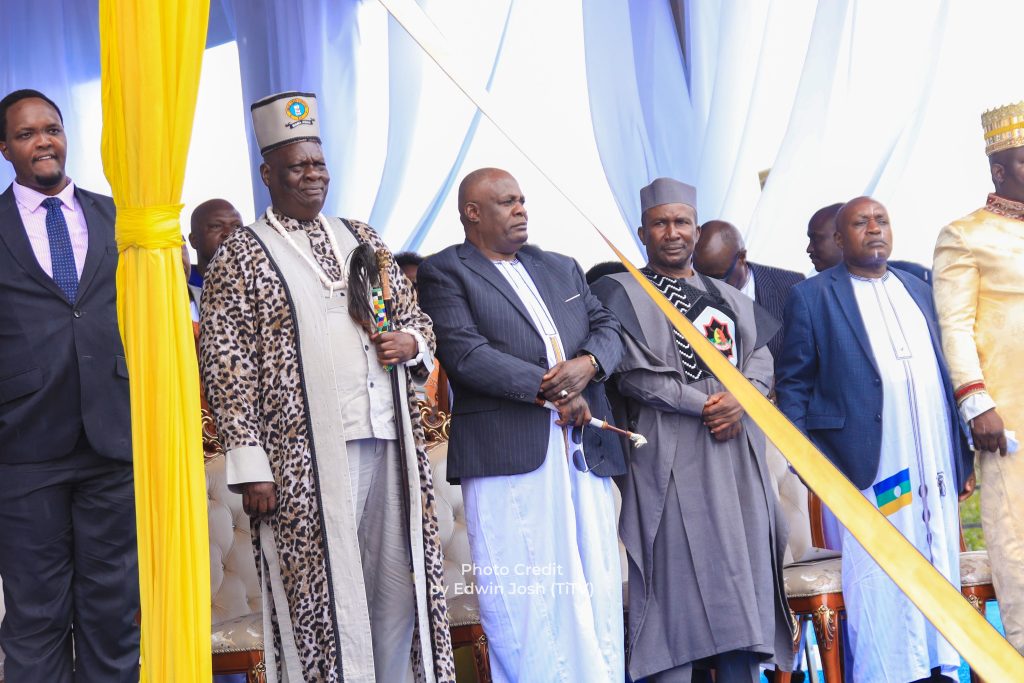
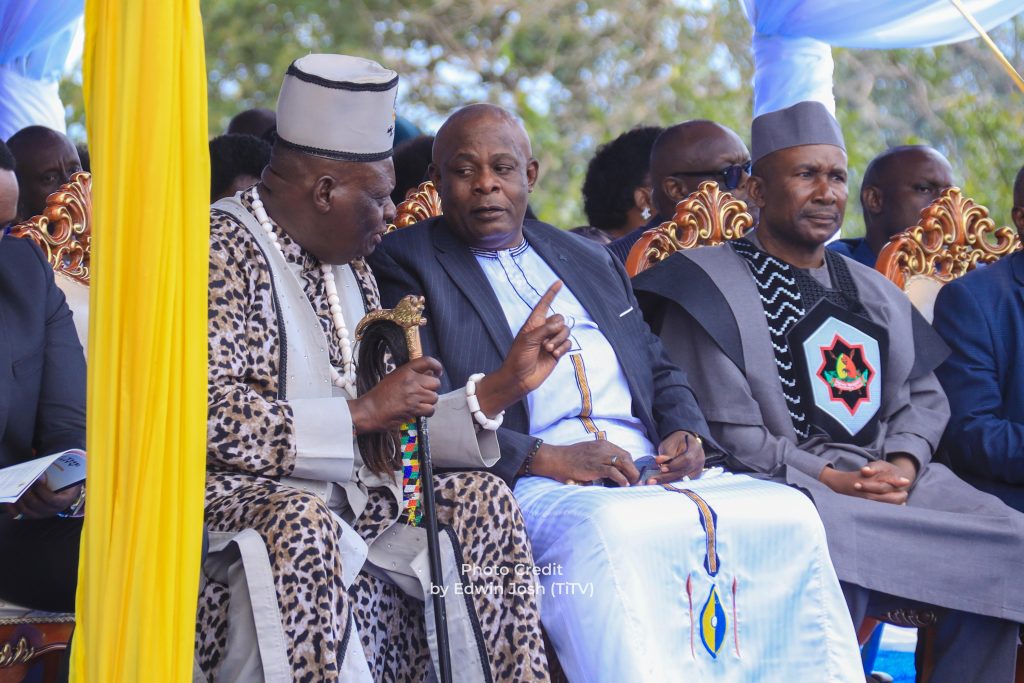
The Kamuswaga’s presence at this gathering was therefore particularly meaningful in the broader context of cultural fellowship. As Tooro entered a new chapter under Omukama Nyabongo I, Kooki’s participation represented an opportunity to demonstrate respect for a fellow monarchy and to stand alongside other cultural leaders in recognising the significance of the transition.
The ceremony also offered a lesson to the younger generation: kingdoms must not only celebrate their past, but also document it, teach it and create practical ways for their cultures to thrive in the modern world.
A Message to the World
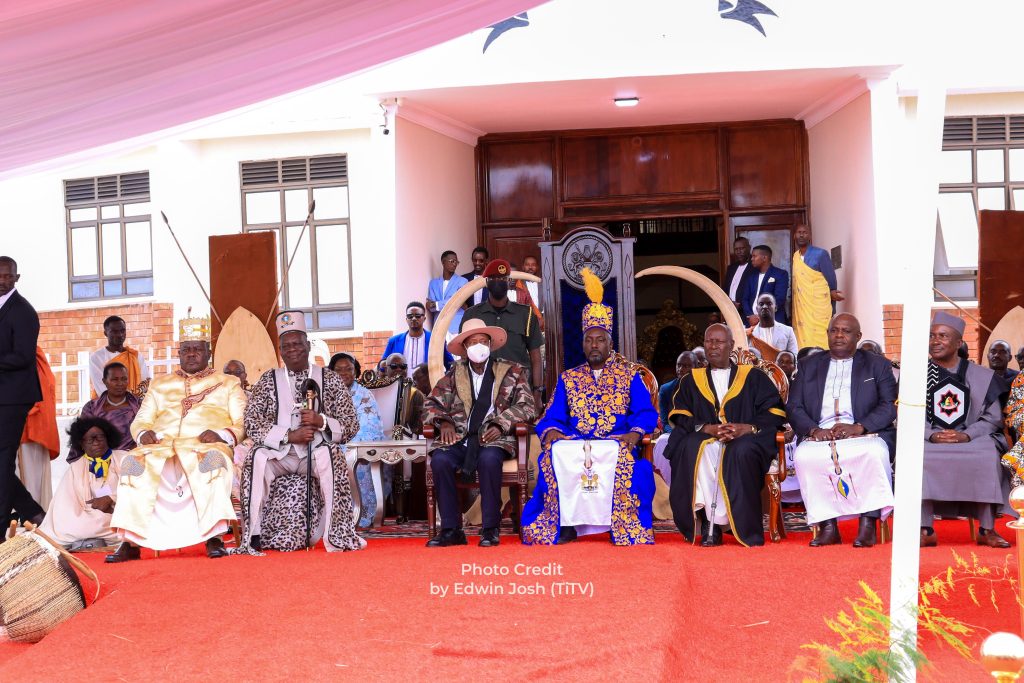
The events at Karuziika Palace carry a message that extends beyond Uganda’s borders. Every people has a history worth preserving, a language worth teaching and a heritage worth passing on.
Let the gathering of Uganda’s leaders and cultural institutions inspire communities across Africa and the world to protect their indigenous knowledge, preserve their oral histories, invest in cultural education and give young people opportunities to understand their roots.
Culture should not remain confined to royal palaces or annual ceremonies. It should live in our homes, schools, creative industries, community programmes, archives and everyday lives.
When a people preserve their culture, they preserve a part of their identity. When they document their history, they give future generations the opportunity to understand who they are and where they come from.
Historical documentation and editorial contribution by Buule Edwin Joshua, in recognition of his efforts in covering the occasion and helping preserve this chapter of Uganda’s cultural history.
The Kamuswaga’s presence was a statement of cultural diplomacy: a demonstration that respect for another kingdom’s history, leadership and traditions is an essential part of honourable kingship.
Words of Wisdom and a Message of Royal Fellowship
During the occasion, the Kamuswaga’s address formed part of the wider expression of respect and fellowship between the two kingdoms.
His participation carried an important message: that the transition of leadership in a traditional institution deserves recognition, that the memory of a departed monarch remains part of a people’s collective history, and that cultural institutions have a responsibility to preserve relationships built on mutual respect.
His presence and remarks also offered an opportunity to reaffirm the value of peaceful coexistence among Uganda’s traditional institutions.
In moments such as these, the words and actions of cultural leaders can help remind communities that heritage is not simply a record of the past. It is a living responsibility that connects generations, strengthens identity and guides the future.
Editorial note: The exact wording of the Kamuswaga’s speech should be inserted here once the official speech or recording is available, so his words can be preserved accurately and quoted with the dignity they deserve.
Tooro’s Appreciation and the Meaning of Kooki’s Solidarity
The participation of the Kamuswaga was significant in the context of the relationship between Kooki Kingdom and Tooro Kingdom. His presence offered a visible expression of goodwill at a time when Tooro was honouring its departed monarch and welcoming a new era of traditional leadership.
For Tooro, the attendance of a fellow monarch was an important gesture of recognition and fellowship. It reflected the value of being accompanied by fellow cultural leaders during a moment of great significance to the kingdom and its people.
For Kooki, the occasion provided an opportunity to demonstrate its commitment to respectful relations with other traditional institutions and to participate in the preservation of Uganda’s shared cultural heritage.
The significance also extended beyond the two kingdoms. Uganda’s traditional monarchies possess distinct histories, customs, identities and responsibilities. When their leaders recognise one another’s important occasions, they help create an environment in which cultural diversity can be celebrated without diminishing the uniqueness of any individual kingdom.
The Kamuswaga’s presence therefore carried a message that reached beyond the palace grounds: when kingdoms respect one another, they strengthen the cultural fabric of the nation.
Remembering the Fallen King, Recognising the New Era
The passing of Omukama Oyo Nyimba Kabamba Iguru Rukidi IV marked the loss of a reigning monarch whose place in Tooro’s history remains significant to his people.
Royal transitions are moments of remembrance as well as renewal. They invite communities to honour the legacy of the departed, recognise the continuity of their institutions and look towards the responsibilities of the future.
The installation of Omukama Edward Rukidi Kijanangoma, known as Nyabongo I, represented a new chapter for Tooro Kingdom. The gathering at Karuzika Palace brought together leaders and guests to witness this transition and recognise its importance.
By attending, the Kamuswaga of Kooki joined fellow dignitaries in acknowledging the weight of this moment, offering respect to the history of Tooro and recognising the significance of its continuing traditional leadership.
A Message to Monarchies and Cultural Institutions Across the World
The events of 29 September 2026 offer a valuable lesson to cultural institutions everywhere.
Across Africa and the world, traditional monarchies, indigenous communities and cultural institutions face the responsibility of protecting their histories while preparing younger generations for the future. Their survival depends not only on ceremonies and titles, but also on the active preservation of language, customs, oral history, cultural knowledge and community values.
The example of cultural leaders coming together at important royal occasions reminds us that heritage should be nurtured through relationships, shared experiences and mutual recognition.
To all cultural leaders, communities and people across the world, the message is clear:
Do not allow your culture to become a forgotten chapter in history. Document your stories. Teach your languages. Preserve your traditions. Support your cultural institutions. Record the wisdom of your elders and create opportunities for young people to understand the heritage they have inherited.
Let cultural identity become a foundation for education, creativity, tourism, enterprise and community development. Let our differences become opportunities for mutual learning rather than division.
The future of culture depends on what the present generation chooses to preserve, practise and pass on.
Preserving the History for Generations to Come
History is not preserved by ceremonies alone. It is preserved when people document significant events, capture their meaning, record the contributions of those who participated and make these records accessible to future generations.
The presence of the Kamuswaga of Kooki at Karuzika Palace deserves to be documented as part of the continuing story of relationships between Uganda’s traditional monarchies.
Through photography, audiovisual documentation and historical writing, moments of cultural importance can remain accessible to researchers, students, cultural institutions and generations yet to come.
This is why the work of cultural documentarians, photographers, filmmakers and writers matters. Their contribution helps transform an event witnessed by those present into a historical record that can be studied, remembered and shared with the world.
As Uganda continues to celebrate its diverse cultural institutions, the events of 29 September 2026 stand as an opportunity to reflect on the value of royal fellowship, cultural respect and the responsibility to preserve our shared heritage.
May the relationship between Kooki Kingdom and Tooro Kingdom continue to be strengthened by mutual respect, peaceful coexistence and a shared commitment to safeguarding the cultural heritage of their people.
HISTORICAL DOCUMENTATION AND EDITORIAL ACKNOWLEDGEMENT
Written and documented by Buule Edwin Joshua
In recognition of his efforts in covering this historic occasion and contributing to the documentation and written preservation of this chapter in Uganda’s cultural history.
Preserving the present. Documenting our heritage. Informing future generations.
A tribute to cultural heritage, royal fellowship and the enduring history of Uganda’s traditional monarchies.